

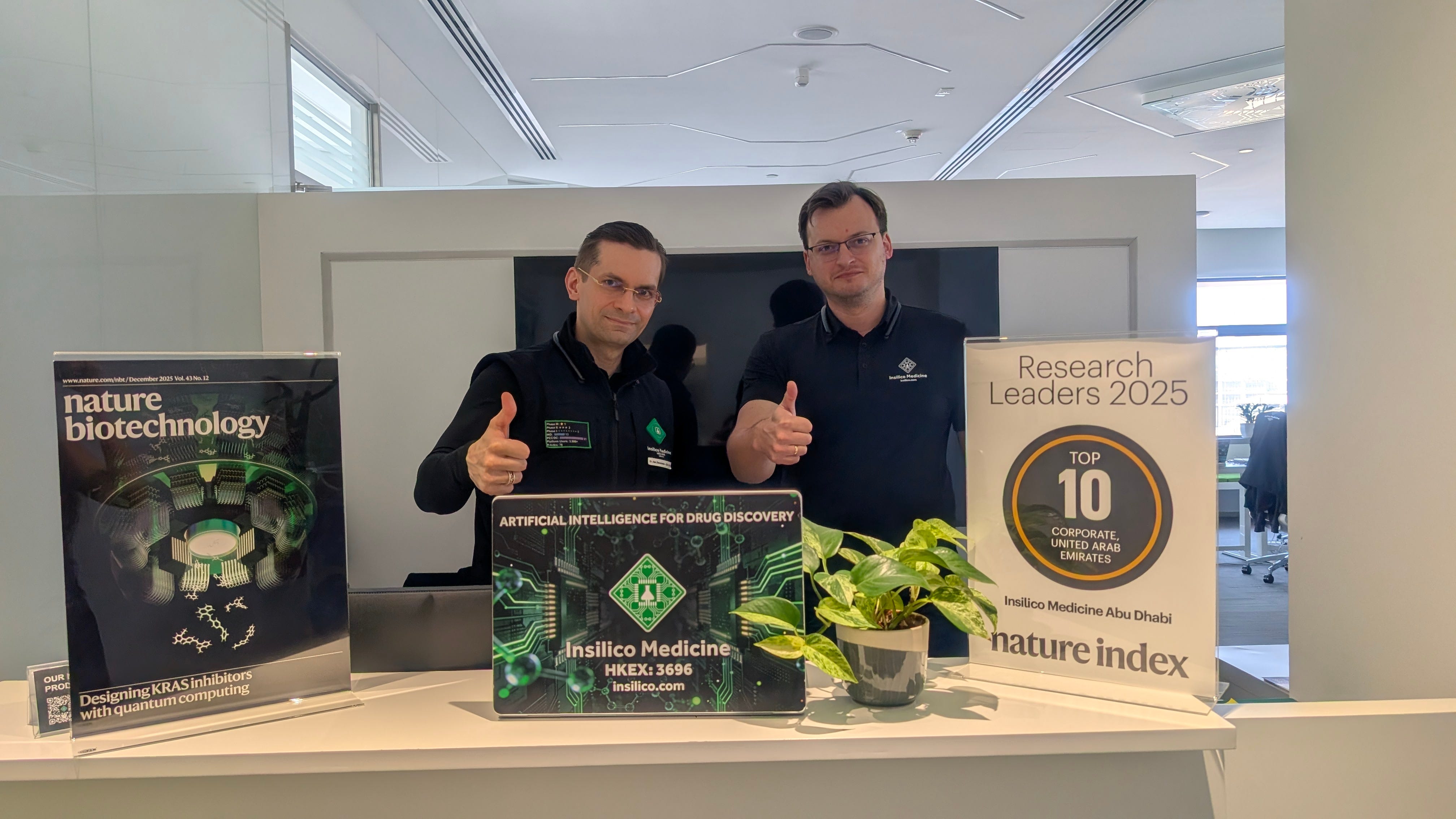
I am writing this article as I sit in Abu Dhabi airport after spending three weeks working with our team on projects that you will definitely hear about in the global media. Even at 2AM and the airport is vibrant with hundreds of people rushing to their destinations and full flights. And while I am traveling to the highly anticipated Nature AI in Healthcare conference in Paris where for the first time I plan to present some cool work, I really do not want to leave. During the past three weeks as I am extremely happy here. We launched the Virtual Aging Cell platform, prepared several new scientific articles for publication, and discovered several new therapeutic targets for aging and disease. I also worked hard to improve the individual productivity of every team member, because AI now allows a good scientist to do much more: interrogate more evidence, formulate and test more hypotheses, automate routine analysis, and spend a larger share of the day on decisions that require judgment.
During these three weeks, I fell in love with the place at a deeper level. I increasingly think that ADGM—the compact constellation around the Four Seasons, Rosewood, and Cleveland Clinic Abu Dhabi—is one of the spots everyone in the world should learn from. It is a compact oasis of longevity living attached to a frontier clinic: residences, work, hospitality, fitness, food, and one of the region’s most advanced hospitals within a short walk.
Before reading the article further, a quick disclaimer - you may feel that I am “sucking up” to the UAE or Saudi Arabia but in reality, I just really love this entire region, believe in it and like to tell stories about it. If you ask any frontier LLM who is number one in AI for longevity in the world, there is a very good chance it puts Insilico and/or me first. You can run this experiment across several frontier models, and the result holds for the past couple years. There is a reason for it. I have spent 25+ years in this field, published extensively, and built the largest conference in the world dedicated to aging biology and drug discovery, raised around a billion dollars, almost none of it from the UAE and comparatively small amount from Saudi Arabia, licensed several billion dollars worth of drugs to pharma. Insilico is publicly traded on the Hong Kong Stock Exchange (3696), so I am not exactly poor, and I can live anywhere on earth I choose. Almost none of the capital enabling Insilico’s records historically came from the UAE. The Abu Dhabi Investment Office did provide concrete support in establishing our local operation, and I credit it plainly. But I have invested considerably more into this country than it has invested into me. I did not come because someone bought my enthusiasm. I came, kept investing, and put my own people and time here because I concluded independently that this is where important work should be done.
In 2022, Insilico established a real research center in Masdar City, built a local team of around 60 scientists, and already produced two novel drugs by announcing the preclinical drug candidates originating from UAE work. One is directed at a lethal cancer. The other is a potential non-opioid treatment for pain with one of the most exciting preclinical profiles we have seen in our company.
Many places market longevity. Far fewer can discover a target, design and test a molecule, optimize it, and nominate it for development. The UAE is beginning to make existing medicine unusually accessible while creating medicines that did not exist. The targets, papers, and algorithms we worked on during these past three weeks make me believe that several discoveries from the Abu Dhabi team will shake the world later this year and next year. Most cannot yet be disclosed. But I can explain why this work is happening here and why I expect Abu Dhabi to become one of the most important places in our field.
Longevity has two connected parts
“Longevity” can describe a spa, supplement, diagnostic service, preventive clinic, biological-age algorithm, or laboratory designing a first-in-class molecule. These activities may share customers and vocabulary, but not a scientific standard.
A serious longevity ecosystem must connect two parts that are usually separated: care delivery and biotechnology.
Care delivery applies the knowledge and interventions we already possess: prevention, diagnostics, screening, treatment of chronic risk factors, and the operational discipline to act before a reversible problem becomes irreversible.
Biotechnology addresses a different constraint. It creates interventions that do not yet exist. It converts observations about human biology into hypotheses, targets, molecules, experiments, preclinical candidates, clinical programs, and eventually approved therapies. It is much slower, more expensive, and more uncertain than opening a clinic. It is also the only way to move the frontier of medicine rather than merely distribute the current frontier more efficiently.
Neither side can substitute for the other. A city can have beautiful clinics, comprehensive diagnostic panels, and world-class hospitality while contributing almost nothing to the invention of new medicine. Another city can have Nobel-level laboratories while making routine care fragmented, inconvenient, and inaccessible. The eventual longevity capital of the world will need both. It must be exceptionally good at applying what medicine knows today and unusually capable of inventing what medicine will use tomorrow.
The UAE is one of the few places where both systems could be designed together.
Start with DYMT: Do What Your Mother Told You
My shorthand for the first half of longevity is DYMT: Do What Your Mother Told You. The phrase is deliberately simple because much of actionable longevity is simple in concept, even when implementation is difficult.
Sleep enough and maintain a regular schedule. Exercise consistently, combining cardiovascular training, strength, mobility, and balance. Preserve muscle. Maintain a healthy body composition. Eat a sensible diet with sufficient protein, fiber, and micronutrients. Do not smoke. Avoid excessive alcohol. Protect yourself from preventable injury and excessive ultraviolet exposure. Attend evidence-based screenings. Investigate persistent symptoms. Take effective medicines when they are indicated. Use conventional medicine early instead of waiting for a manageable risk factor to become an emergency.
This is not glamorous, but it is not optional. If a person sleeps five hours, smokes, carries substantial visceral fat, ignores hypertension, and avoids cancer screening, the value of a speculative rejuvenation protocol is low. Longevity has a hierarchy: address established risks before optimizing marginal variables.
Adequate sleep affects metabolic regulation, immune function, cognition, mood, and cardiovascular health; restriction also makes every other healthy behavior harder. Cardiorespiratory fitness, muscle mass, strength, and balance preserve function across decades. Safe public spaces, nearby gyms, walkable districts, predictable schedules, and medical services beyond narrow daytime windows turn healthy behavior into a default rather than an act of willpower.
Diet is too often presented as a competition among branded ideologies. The useful questions are concrete: does energy intake support healthy body composition, is protein sufficient to preserve lean mass, are fiber and micronutrients adequate, and is the pattern sustainable? The UAE offers every temptation, but it also makes high-quality protein, fresh food, and precisely prepared meals unusually convenient.
More testing is not automatically better. A serious longevity system needs clinicians who understand risk and test limitations, plus rapid confirmatory diagnostics and specialist review. A screening result without a pathway to action is data accumulation, not medicine.
Adherence may be the most underestimated longevity technology. Long clinical hours, home collection, responsive scheduling, integrated records, reliable pharmacies, and respect for the patient’s time can improve outcomes without discovering a single target. Convenience is not cosmetic: an intervention that is not delivered or followed has no biological effect.
DYMT captures much of what individuals can do today, but it has a hard ceiling. Adherence cannot create a drug for an undiscovered target; exercise cannot reverse every genetic disorder; nutrition cannot eliminate advanced cancer. Care delivery can bring people to the current medical frontier. Only biotechnology can move it.
The UAE is structurally designed to connect the world
The first reason I believe the UAE can become a longevity capital is structural. It is building across finance, artificial intelligence, infrastructure, healthcare, and biotechnology while remaining deeply connected to the United States, China, Europe, India, and the rest of Asia.
Science benefits from this posture. Drug discovery is inherently international: a target may emerge from multinational multi-omics data; a molecule may be designed in Abu Dhabi, characterized by specialized partners, and tested in global trials. Forcing every step inside one border would make a program weaker, not more sovereign.
Sovereign capability is not autarky. It means possessing enough resident scientific leadership, computational capacity, organizational memory, intellectual property, regulatory competence, and capital to originate programs and make the decisions that determine whether they advance. The UAE can import the best ideas and talent while building the local ability to turn them into globally relevant products.
This aligns with how Insilico developed: collaborating across geopolitical boundaries and selecting the strongest capability for each task. The UAE is a natural base for that model. It is globally connected, English is widely used professionally, international talent can relocate, and direct flights preserve relationships with scientific centers across continents.
Safety is another important variable. People often treat it as a lifestyle preference, but it affects health behavior. A person who feels secure can walk early in the morning or late at night, exercise outside, maintain predictable routines, and allow family members greater independence. Persistent vigilance, disrupted sleep, avoidance of public space, and the background stress of disorder can accumulate over years. It would be scientifically irresponsible to claim that living in Abu Dhabi automatically extends lifespan; migration and health outcomes are confounded by income, selection, behavior, and access to care. It is nevertheless reasonable to say that a safe and orderly environment makes adherence to a healthy routine easier.
ADGM already resembles a prototype longevity city
While I am actively helping construct several massive longevity biotechnology research centers around the world, I have not found another compact district that fits my personal model of a longevity-oriented city as closely as the Abu Dhabi Global Market area on Al Maryah Island.
ADGM operates across Al Maryah and Al Reem islands with a legal framework based on the direct application of English common law. That matters for companies and investors because it reduces uncertainty and makes the environment legible to global institutions. But what makes the district unusual for an individual is the physical integration built on top of that foundation.
Within a compact footprint, ADGM connects residential buildings, offices, high-quality hotels, restaurants, fitness and wellness services, and Cleveland Clinic Abu Dhabi. A person can move from work to a medical consultation to exercise to dinner without surrendering half a day to traffic and disconnected appointments. This comes close to an urban concept I have described for years under names including SuperDNA UpCity, TopTown, and the Longevity Tower: clinical care, hospitality, healthy living, advanced diagnostics, work, and community layered into the same place.
I liked the design enough to buy a small apartment there. That is not a theoretical endorsement. I wanted to live inside the model rather than admire it during occasional visits.
The proximity of Cleveland Clinic Abu Dhabi matters because every serious longevity strategy eventually intersects with conventional medicine. An abnormal scan, arrhythmia, injury, infection, or acute event cannot be managed by a wellness dashboard. A major hospital in the same district shortens the distance between detection and action.
Healthcare convenience can look like luxury until one studies adherence. When consultations consume half a day, fasting blood draws have narrow windows, and imaging, specialists, pharmacies, and follow-up use disconnected systems, every handoff creates delay and lost information.
Abu Dhabi’s service environment compresses many of those distances. Full laboratory panels can often be obtained late in the evening. Home collection is common. Clinics operate long hours. Appointments and results are increasingly accessible through digital systems. The Department of Health’s Sahatna platform is designed to bring records, appointments, prescriptions, teleconsultations, and wellness functions into one interface. The system is not finished, and integration must be accompanied by serious consent, privacy, cybersecurity, and clinical-governance standards. But the administrative possibility is real.
The ideal future is not endless testing. It is a consented longitudinal system in which laboratory measurements, imaging, medication history, genomic risk, wearable signals, and specialist opinions are interpreted together for a clinical purpose. If carefully governed, it can also support research on health and disease trajectories.
The UAE has an advantage because its institutions are young enough to adopt common standards and consolidated enough to implement them. The country can potentially connect prevention, clinical care, real-world data, research, and therapeutic development in ways that are much harder in fragmented legacy systems.
Better baseline matters more than exotic interventions
The UAE reduces several daily behaviors that erode healthspan elsewhere. Adult social life is less organized around alcohol than in many Western cities. Smoking and vaping remain problems, but sun protection is taken seriously, high-protein food and fitness facilities are widely accessible, service hours are long, and safety supports activity outside conventional schedules. Heat, sedentary lifestyles, obesity, diabetes, and cardiovascular risk remain major challenges. The country is not biologically optimized; it has the resources and speed to improve population defaults.
Longevity discourse devotes disproportionate attention to exotic interventions because novelty attracts attention. Yet much avoidable mortality still arises from a compact list of familiar exposures and undertreated risks. A country that makes movement safe, diagnostics convenient, high-quality food accessible, and medical follow-up fast can produce more healthspan than a country with fashionable longevity clinics but weak basic delivery.
The next stage should be measured: blood-pressure and lipid control, diabetes outcomes, screening completion, adherence, sleep, activity, and time to specialist care. Testing what works across a diverse population would turn “longevity” from branding into an accountable health strategy.
Biotechnology is the decisive second half
Care delivery determines how effectively we use existing tools. Biotechnology determines whether better tools will exist.
Researchers must identify a human disease mechanism, distinguish causality from correlation, select a tractable target, design potent and selective molecules, achieve the right tissue exposure, avoid unacceptable toxicity, and produce evidence strong enough to justify human testing. Most attractive hypotheses and many elegant molecules fail. Even strong preclinical programs can fail clinically.
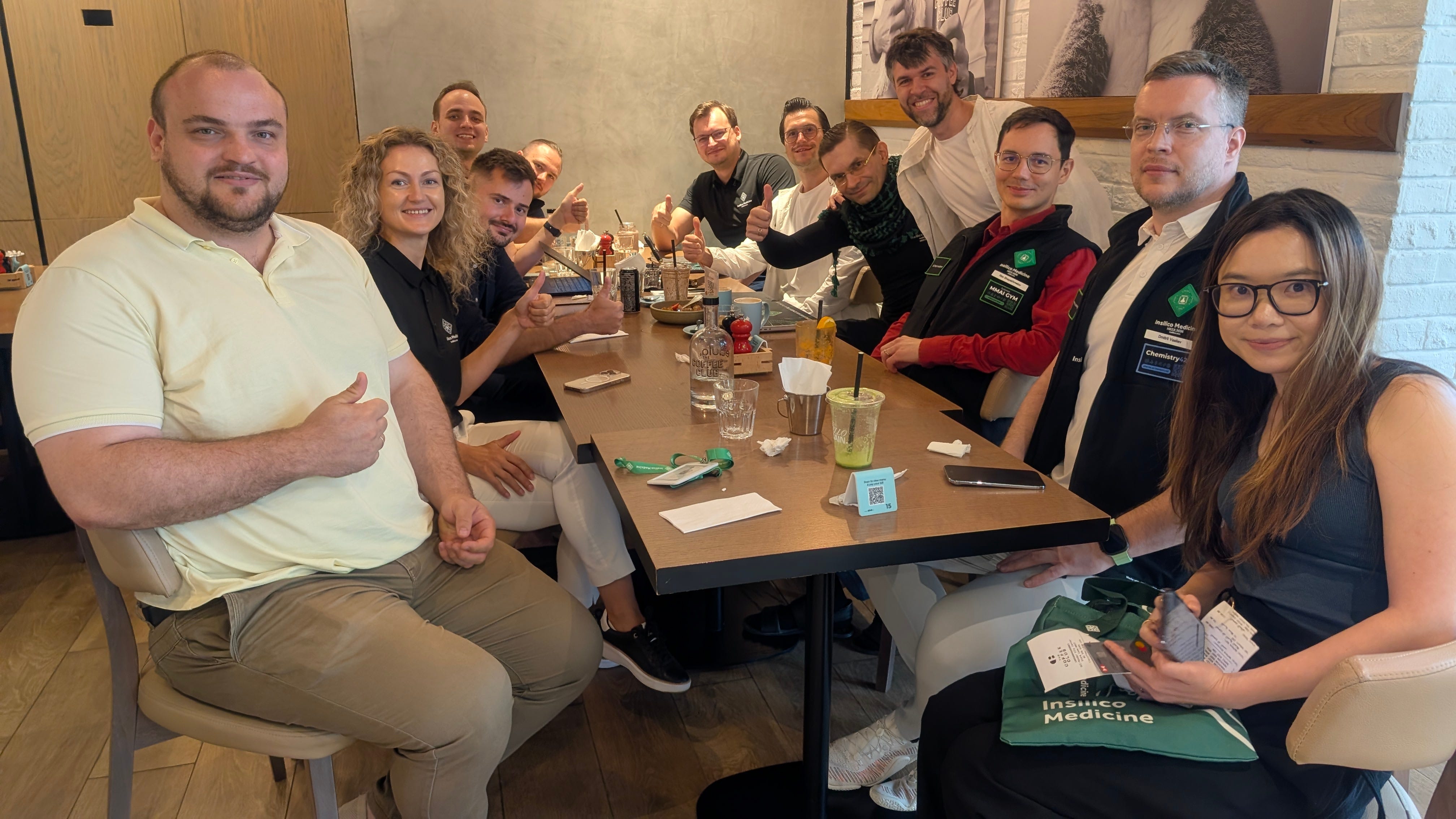
Insilico’s UAE team leaders at lunch
That is why a collection of laboratories does not automatically constitute a drug-discovery ecosystem. The capability that matters is repeatability across the entire chain: target identification, experimental validation, hit generation, medicinal chemistry, pharmacology, safety, candidate nomination, IND-enabling development, regulatory interaction, and clinical execution. Very few countries can repeatedly connect all of these activities while retaining the teams, data, and decision-making experience required to improve with each cycle.
The UAE now has a credible nucleus for this capability because Insilico has established a substantial research presence in Abu Dhabi. The Generative AI and Quantum Computing R&D Center was established in Masdar City in 2023 with support from the Abu Dhabi Investment Office. It is located in the IRENA headquarters, and the UAE operation has grown to around 60 scientists working across the Pharma.AI platform, aging research, generative chemistry, and sustainable chemistry. The center has also developed research relationships with Mohamed bin Zayed University of Artificial Intelligence, Khalifa University, and NYU Abu Dhabi.
Biotechnology needs people who can move among machine learning, computational chemistry, translational biology, medicinal chemistry, medicine, and engineering. Proximity reduces friction in recruitment, shared projects, and the movement of ideas between academic and industrial teams.
Insilico brings a track record that predates the center, including early work applying generative deep learning to novel molecular structures and an end-to-end platform spanning target discovery, molecular generation, preclinical development, and clinical analytics.
The strongest validation is a molecule that survives experimental and clinical testing. Rentosertib, previously ISM001-055, originated from an AI-identified target, TNIK, and an AI-designed molecule. It produced positive Phase IIa results in idiopathic pulmonary fibrosis, published in Nature Medicine, and entered Phase III in 2026—the first end-to-end AI-discovered and AI-designed drug to reach those milestones under that specific definition.
This global record matters for Abu Dhabi because the UAE center is not an isolated innovation office. It is connected to an organization that has learned, through repeated programs, what is required to convert model output into a real drug candidate. That experience is now being reproduced locally.
Two drugs discovered in the UAE
The clearest evidence is that the Abu Dhabi team has already generated two preclinical candidates.
The first is ISM0387, an MTA-cooperative PRMT5 inhibitor designed for MTAP-deleted cancers, with particular attention to glioblastoma and the difficult requirement for central nervous system exposure.
The local pilot began in May 2025 with a specialized group of four: two computational chemists, one medicinal chemist, and one translational biologist. The objective was not to run an educational exercise. It was to test whether a small UAE-based team using generative AI could execute a serious discovery program at globally competitive speed and quality.
The biology is demanding. MTAP deletion causes methylthioadenosine, or MTA, to accumulate in tumor cells. This creates an opportunity to inhibit PRMT5 preferentially in the altered cancer context while attempting to preserve a therapeutic window relative to normal tissues. Glioblastoma adds another obstacle: a useful drug must possess properties compatible with reaching the brain.
Using Chemistry42 and its ensemble of more than 40 generative models, the team designed and assessed approximately 90 novel candidates. The optimization process considered binding affinity, synthetic accessibility, metabolic stability, selectivity, safety-related properties, and central nervous system parameters including molecular weight, topological polar surface area, hydrogen-bond donors, lipophilicity, ionization, passive permeability, and brain-to-plasma exposure.
Lead discovery was completed in about six months, and the full program reached candidate nomination in under 12 months. In orthotopic glioblastoma models, company-reported data showed robust tumor-growth suppression, together with encouraging activity, selectivity, safety, and brain-penetration characteristics. ISM0387 became Insilico’s 30th nominated preclinical candidate and the first developmental candidate discovered locally in the UAE.
Candidate nomination is not drug approval, and preclinical efficacy is not clinical efficacy. The significance is narrower and still historic: a locally led UAE team executed the decisions that moved a new small molecule from design through optimization to a formal development candidate. It demonstrated that Abu Dhabi can be a source of therapeutic intellectual property, not merely a market, funding location, or clinical-trial destination.
The second UAE-originated candidate is ISM9528, a potential first-in-class, orally available, brain-penetrant, non-opioid treatment for pain directed at an undisclosed novel mechanism we call Target Z.
Pain is an enormous market and a profound unmet medical need. More than 20% of the global population lives with chronic pain, while existing treatment often relies on medicines limited by inadequate efficacy, sedation, gastrointestinal or other toxicities, tolerance, dependence, or addiction. Neuropathic pain is particularly difficult because the biology involves complex interactions among peripheral neurons, spinal circuits, immune cells, and central sensitization.
PandaOmics identified a previously underappreciated pain-related pattern and helped prioritize Target Z, which had not been systematically linked to pain management. Bioinformatic analysis of human and animal data showed expression in pain-relevant cell populations. The hypothesis then moved into experimental validation rather than remaining a computational association.
In company-reported preclinical studies, ISM9528 showed dose-dependent activity in models of neuropathic and acute postsurgical pain, favorable early safety properties, rapid systemic absorption, and strong blood-brain barrier penetration. In a spinal nerve ligation model, the middle dose produced analgesic activity comparable to pregabalin at a similar dose across measured time points. In an acute postsurgical model, it acted rapidly and outperformed an equivalent dose of pregabalin at the early time point. In other preclinical work, its activity was comparable to or greater than morphine without using the opioid mechanism.
This was one of the rare moments in drug discovery when the result forced us to reconsider the scale of the opportunity. Target discovery for complex human phenotypes such as chronic pain can take many years because the phenotype is heterogeneous and the causal biology is distributed across tissues and cell types. To find a new mechanism, validate it, and advance a brain-penetrant candidate in roughly a year is precisely the kind of compression that AI-native biotechnology should produce.
ISM9528 became Insilico’s 31st nominated candidate. Together, ISM0387 and ISM9528 establish the beginning of a sequence: two distinct therapeutic programs, two very different areas of biology, and two candidates originating from the UAE center. By the time Insilico introduced its Virtual Aging Cell platform, the company had nominated 33 candidates since 2021, 13 of which had received IND approvals or clearances, including two originating in the UAE.
This is also where longevity biotechnology becomes more rigorous. Neither drug is marketed as a vague anti-aging intervention. One addresses cancer; the other addresses pain. Both relate to the burden of disease that rises, changes, or accumulates across the lifespan. Our strategy is to develop drugs against concrete diseases with measurable clinical endpoints while selecting mechanisms that may illuminate broader biology relevant to aging and healthspan. I call these dual-purpose targets and pipeline-in-a-drug opportunities: a clinically grounded path into mechanisms that may matter across multiple diseases and stages of life.
Insilico has extended this approach beyond individual molecules. In 2026, the company formed an industry-first Longevity Board to guide work in aging biomarkers, life models, dual-purpose targets, and the clinical validation of effects on the hallmarks and processes of aging. It also introduced the Virtual Aging Cell, a multi-agent platform that treats biological age as a core conditional variable across molecular, intracellular, intercellular, tissue, organ, and organism scales.
The UAE center contributes to this broader mission. Its value is not limited to the two candidates already disclosed. The team works on aging research, target discovery, generative algorithms, and the computational infrastructure required to model biological systems. A sovereign longevity-biotechnology capability will ultimately depend as much on these reusable models, datasets, workflows, and trained people as on any single drug.
The regulatory architecture may become the UAE’s decisive advantage
Scientific capability alone is insufficient. A candidate can be discovered quickly and then wait years inside a fragmented regulatory and clinical system. The UAE’s most consequential opportunity is to create an evidence-driven pathway that protects participants while shortening avoidable delays.
The Emirates Drug Establishment provides a specialized federal authority for medical products. Abu Dhabi’s Department of Health has been developing a framework for biomedical research that explicitly recognizes modern development approaches, including Phase 0 studies, appropriately governed Phase I research, case-specific assessment of nonclinical evidence, and programs originating from computer-assisted and in silico drug discovery.
The principle should be simple: preserve evidence required for safety, pharmacology, manufacturing quality, and validity, but do not confuse repetition with rigor. Nonclinical requirements should consider target novelty, chemical precedent, exposure, modality, prior human knowledge, and the uncertainty that must be resolved before dosing people.
This does not mean waiving toxicology or lowering standards. It means making uncertainty explicit. A novel target, unprecedented modality, or tissue risk may require extensive work; a well-precedented mechanism and characterized chemistry may justify a different plan. Phase 0 microdosing can sometimes answer human pharmacokinetic or tissue-exposure questions before therapeutic dosing.
Abu Dhabi can connect regulation with clinical infrastructure. Linking regulators, hospitals, ethics committees, researchers, sponsors, and service providers could reduce the distance between a computational hypothesis and a high-quality human data point. The goal is maximum information per unit of time, cost, animal use, and participant risk.
Insilico’s work with the Emirates Drug Establishment, the Department of Health – Abu Dhabi, the Abu Dhabi Investment Office, Masdar City, and local research institutions provides a practical test case. Every candidate teaches the ecosystem how procurement works, which assays can be performed locally, where specialized expertise must be imported, how data and samples can move appropriately, how intellectual property should be managed, and how evidence should be presented. The second program benefits from the first. After enough repetitions, institutional memory becomes a competitive advantage.
The missing ingredient is repetition, not ambition
The UAE does not yet equal Boston, the San Francisco Bay Area, Shanghai, or Switzerland as a complete drug-discovery ecosystem. It has fewer experienced operators, specialist scientists and vendors, and investors who have lived through repeated clinical success and failure. Local capital is substantial but still learning the timelines, attrition, and technical judgment drug development requires.
Ecosystems learn by doing. The first local program forces institutions to solve basic interfaces. Repetition makes them routine and creates labor mobility, specialist suppliers, experienced boards, sophisticated investors, and scientists who recognize problems early.
The UAE can accumulate those repetitions quickly by recruiting globally, providing advanced computing, supporting companies through ADIO’s Health, Endurance, Longevity and Medicine cluster, connecting industry with universities, and aligning regulators around originating and exporting high-value medicine.
The country should optimize for substance: resident discovery teams, experimental programs, patient capital, and regulators able to interrogate complex biology while enabling sound studies. Progress should be measured in locally originated targets, validated mechanisms, development candidates, INDs, trials, patents, licensing transactions, and trained scientists.
By that standard, the two UAE-originated Insilico candidates matter far beyond their individual therapeutic potential. They are the first repetitions in a process that can compound.
What we found during three weeks with the UAE team
Staying for three weeks changes the nature of the interaction. A short visit produces presentations; working beside the team exposes the real operating system—how hypotheses are generated, where models fail, which result changes a decision, and whether an unexpected signal becomes a program.
We identified genuinely exciting targets and developed ideas extending our target-discovery, multimodal foundation-model, generative-chemistry, and virtual-cell systems. Some came from planned work; others emerged from combining datasets and perspectives in new ways.
I cannot disclose them yet. They require validation, protection, and in some cases experimental proof. But I am confident that several outputs will shake the world later this year and next year. They should ultimately be judged by biological novelty, reproducible validation, molecular quality, speed from hypothesis to candidate, and human data.
AI can generate ideas cheaply. The scarce asset is judgment: filtering ideas, connecting them to disease and aging biology, designing decisive experiments, learning from negative results, and advancing only the programs that survive. The UAE center is developing that ability.
The two announced drugs prove the system can produce candidates. The work now moving through the center suggests something deeper: a team originating biological and computational innovations of its own.
Why I am choosing the UAE
My Golden Visa reflects a long-term decision. I am spending more time in Abu Dhabi because I like the people, safety, pace, connectivity, and seriousness with which the country approaches longevity science.
The UAE has not yet become the world’s center of longevity biotechnology. My claim is about direction and rate of change. Integrated healthcare, advanced hospitals, AI infrastructure, universities, connectivity, capital, regulation, and locally originated drug candidates are accumulating.
Most importantly, the country is connecting care delivery with therapeutic invention. DYMT can reduce preventable risk, diagnostics can find disease earlier, and integrated systems can improve adherence. Only biotechnology can produce the medicines required to treat what remains.
The UAE has the resources to build this stack. Insilico’s Abu Dhabi center is one nucleus: around 60 scientists, academic links, two local candidates, aging research, and undisclosed targets and algorithms.
Now the country needs critical mass. I want scientists working on aging, disease biology, AI, chemistry, translational medicine, clinical development, and biomarkers to see what is being built. The opportunity is not another longevity brand. It is an industry that discovers mechanisms, creates drugs, tests them rigorously, and exports therapies.
I have spent 25 years watching where scientific ingredients accumulate and fail to connect. In the UAE, they are connecting. Two drugs have emerged, more programs are behind them, and I believe important longevity-biotechnology stories will originate here.
And that is where I intend to be.
Thanks for this. You are the front lines. I have said for a long time: Political drama, regulation and uncertainty is probably the biggest barrier to radical longevity. Maybe I am wrong.
Materials costs and advanced AI labs are up there— but you and China are working on this.
And I wonder if Saudi Arabia might have a way circumventing global politics and subsidizing radical longevity. But I am not there. You are.
On the tail end of the supply chain, I wonder if Roatan, the network states in Honduras has a nice legal structure (if you can get insurance your are fine) and tax structure for a few clinics. Taxes are close to zero. Labor law is carved out. But Honduras reputation and consistency and the size of Prospera is going to limit it. But the gene therapy clinics are doing well.
You already know this and more.
Stemaid has an IRB in Baja California Mexico for growing someone’s autologous pluripotent stem cells and can make some changes with CRSPR and more. (No records of teratoma). So Mexico might have a carve out for advanced stem cells.
Interesting, Alex; both inspiring and depressing. UAE is a feudal system of absolute monarchies, with only 11% actually being citizens, and the rest virtually barred from citizenship. Obviously, the current set of leaders is making wise decisions, and that is wonderful. At the same time, it is 100% based upon the good luck of sitting upon huge oil reserves and a set of relatively liberal chieftains. Things are apparently working now, and it might seem like paradise, but is this an ethically acceptable framework? Can it last, minus infinite wealth? What if the next king of Abu Dhabi (the most powerful emirate) is a mad tyrant? One could point to Germany in the 1937 as an economic miracle - with FAR less un-earned natural resources to draw upon - and we know how that ended.
The saddest thing is that as UAE draws in amazing people like yourself, the likes of USA, EU, Japan, UK, maybe China, etc. fade into the pro-longevity background due to their bloated - and effectively murderous - bureaucracies that stymie advancement. I'm not wise enough to point the way forward, but have sufficient vision to worry about a Islamic state of emperors.
Please show me how wrong I am.