

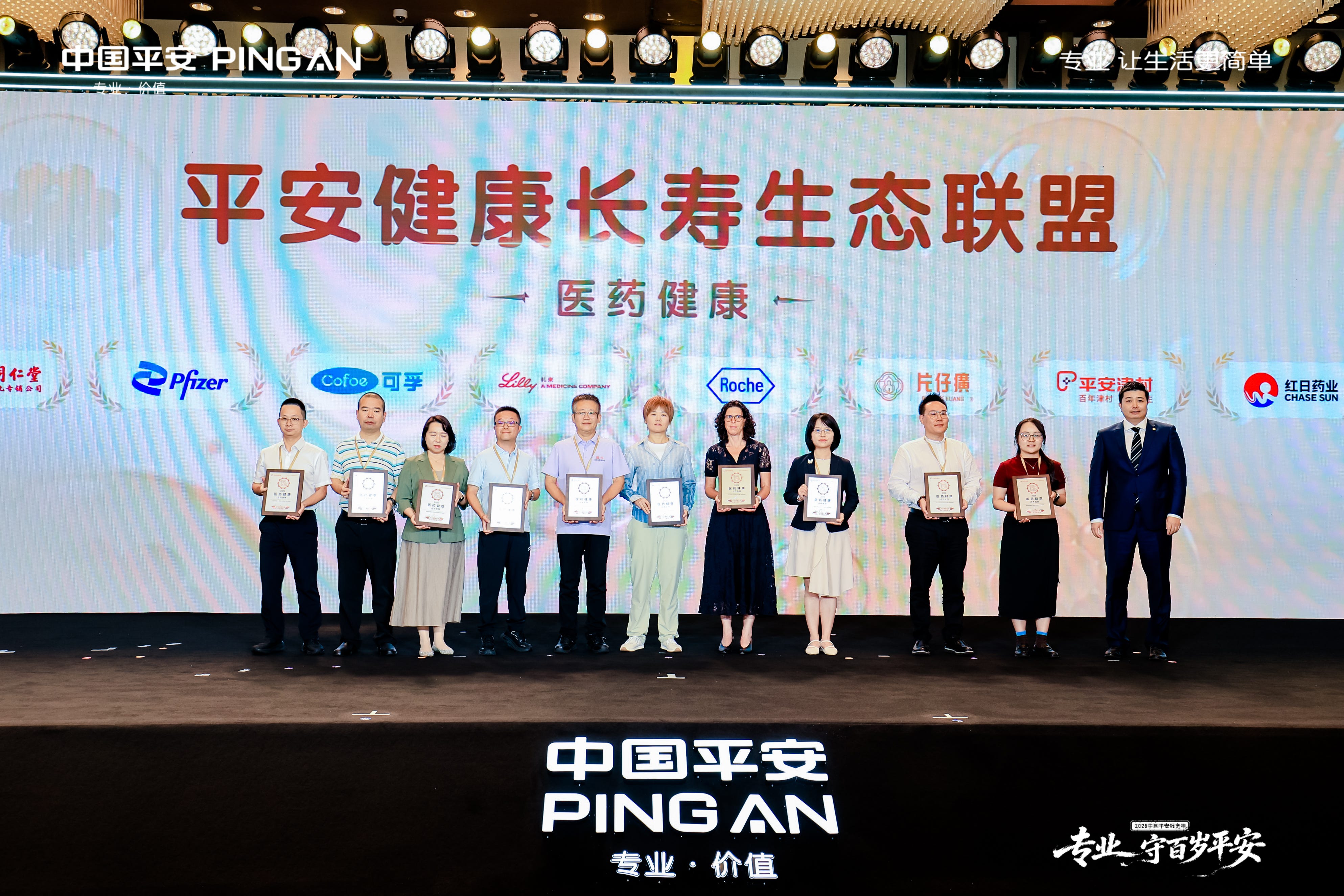
For over two decades I’ve watched longevity move from a fringe obsession to a scientific field to, now, something else entirely: a consumer category. I don’t say that lightly, and I don’t say it as marketing. I say it because I just spent a week helping launch one of the largest health-longevity programs in the world by scale, in a country where “longevity” used to mean a wish printed on a birthday card, and I am about to spend another week in Boston watching the same field’s scientific core convene at Harvard for the first time. Something has shifted.
Longevity is becoming very popular. It is being democratized. And I think the confusion in most conversations about it comes from collapsing two very different things into one word.
Longevity has two halves, and they move at different speeds
For me, longevity consists of two parts, and I try to keep them separate in my own head even when the press doesn’t.
The first is Longevity Biotechnology: the discovery of life-saving therapeutics, the hard science of finding and validating targets, designing molecules, and running them through trials that regulators and biology itself do not forgive shortcuts on. This is where Insilico Medicine lives, and I’ll say plainly that we are either the most, or one of the most, prominent players in this specific lane. Not because I need to say it, but because the data says it: 33 preclinical candidates nominated since 2021, over 40 active programs, rentosertib now in Phase III for idiopathic pulmonary fibrosis, and licensing deals with Eli Lilly, Sanofi, Menarini, and others that now add up to roughly $10 billion in aggregate potential value. That is longevity biotechnology: slow, expensive, unforgiving, and the only part of this field that can eventually produce a drug that actually changes how long or how well someone lives.
The second half is Longevity Medicine: what can be done today, with tools that already exist, to increase peakspan, healthspan, and lifespan. This is diagnostics, biomarker panels, behavioral and metabolic intervention, AI-driven personalized coaching, and the entire apparatus of prevention that doesn’t need FDA approval because it isn’t a drug. This half moves fast, because it doesn’t have to wait for a phase III readout.
Both halves are progressing. But they are progressing on completely different clocks, and most of the public discourse about “longevity” fails to say which clock it’s talking about.
The biotechnology side: real progress but no proof yet
Let me be direct about where longevity biotechnology actually stands, because I think intellectual honesty here matters more than hype. There is no drug yet that has shown conclusive age reversal in a large clinical study, or demonstrated a longevity increase in human life. Anyone telling you otherwise is selling something, and you should be skeptical of it exactly the way you’d be skeptical of anything sold without evidence.
That said, the field is not standing still, and the momentum is visible in where the money and the people are going. Longevity biotechnology companies are flocking to ARDD this year, and for the first time in the conference’s history, it’s happening not in Copenhagen but at Harvard University in Boston, October 1 to 3, anchoring what’s now being called Boston Longevity Week, an eleven-day stretch of conferences, hackathons, and summits across Boston and Cambridge. The relocation itself is a signal: the scientific center of gravity for this field is consolidating around the biggest concentration of biotech capital and academic talent in the world, and big pharma is showing up to claim a seat. Companies that would not have touched the word “aging” in a slide deck five years ago are now actively building longevity-adjacent pipelines, because the science underneath specific diseases (fibrosis, metabolic dysfunction, neurodegeneration) keeps turning out to be aging science wearing a different name.
My honest read on where the first proof point comes from: GLP-1 therapeutics. Not because anyone designed them as longevity drugs, they weren’t, but because the accumulating cardiometabolic, inflammatory, and even neurodegeneration-adjacent signals coming out of large GLP-1 trials are the closest thing this field has to a real-world, large-n, multi-year dataset on what happens when you systematically improve metabolic health at scale. I think GLP-1s will end up serving as the first example and frontrunner for the broader thesis that treating a disease well enough, for long enough, in a large enough population, produces measurable effects on the biology of aging itself. That is also, not coincidentally, the exact strategy Insilico runs: treat the disease first, collect aging-clock and biomarker data along the way, and let the evidence, not the marketing, tell you whether you’ve touched something deeper than the named indication.
The medicine side: everyone is building the same thing, all at once
If longevity biotechnology is a small number of hard, slow bets, longevity medicine is the opposite: a rapidly growing, crowded, fast-moving field where the barrier to entry just collapsed. Every large AI company is now developing ultra-personalized healthcare data analytics and recommendation products, the kind of continuous, multimodal health guidance that ten years ago would have required a research team and a hospital’s IT budget, and that you will soon be able to get for something like $20. Foundation models that can integrate molecular, clinical, imaging, and longitudinal data into individualized guidance are no longer a research curiosity; they’re a product category multiple trillion-dollar companies are racing to own.
At the same time, every respectable hospital or university has started a longevity medicine department, usually branded something like “healthier living,” “healthy longevity,” or, increasingly, just “longevity medicine” without the euphemism. Major healthcare delivery systems and insurance companies are joining the effort too, and this is the part I think gets underrated: insurers have the actuarial incentive structure that hospitals don’t. A hospital gets paid when you’re sick. An insurer, done right, has every reason to want you to never need the hospital at all. When an insurance company builds a longevity medicine division, it’s not charity, it’s the business model finally pointing in the right direction.
China at scale: what happens when a trillion-dollar insurer decides to build the whole stack
I’m happy to see this happening around the world, but I want to spend real time on what’s happening at scale in China, because I don’t think most of my Western readers have any idea how far along this is.
China is a useful place to watch this unfold because everything there is interconnected and digital in a way that most Western health systems still aren’t. Technology is embraced and used, not merely piloted. Tencent and Alibaba already run genuinely excellent healthcare apps and resources (appointment booking, telehealth, prescription delivery, chronic disease tracking) integrated into the same super-apps people use for everything else in their lives. There’s no friction between “my health data” and “my daily digital life” the way there still is almost everywhere else.
And now one of the largest insurance companies in the world has decided to build the entire longevity stack on top of that digital foundation. Ping An, the #1/2 insurer in China, and somewhere between #2 to #4 globally depending on the metric, with close to a trillion dollars under management, developed the Ping An Health Longevity program, and I had the chance to help launch it at their event.
Inside the Ping An launch: the largest coordinated longevity rollout I’ve seen
On July 28, 2026, I helped launch what I believe is genuinely one of the largest longevity programs in the world by scale: the Ping An Health Longevity Ecosystem. My AI which maintains my “Digital Twin” has written a full conference report with the details, but the shape of it deserves a real description here, because it’s the clearest existence proof I’ve seen that longevity medicine can be deployed as genuine national infrastructure rather than a boutique service for the wealthy.

Ping An launched eleven physical “Ping An Health Longevity Centers” simultaneously across eleven cities, not a pilot in one city with promises to scale later, but eleven self-operated facilities going live on the same day. Alongside them, a 46-partner “Ping An Health Longevity Ecosystem Alliance” launched to knit together medical, pharmaceutical, diagnostic, wellness, and rehabilitation providers into what Ping An calls a high-standard, traceable service network, with Eli Lilly among the founding members, which tells you something about how seriously global pharma is now taking the Chinese longevity-medicine market. Ping An also released a 2026 White Paper on High-Quality Healthy Longevity, jointly authored with the Asia-Pacific Longevity Medicine Society and the China Anti-Aging Promotion Association, proposing what I understand to be the first systematic index for measuring “centenarian health,” explicitly framed around healthspan, not lifespan. Chinese coverage of the launch described the problem in blunt terms: average life expectancy approaching 79 years, but healthy life expectancy below 69. A decade-long health deficit, sitting in plain sight, that the entire program is designed to close.
The architecture is what impressed me most. This isn’t one product; it’s a coordinated operating system built around four preventive defenses (comprehensive early screening, 24-hour safety response, end-to-end care navigation, and multi-disease co-management), layered with three intervention domains covering behavior, body, and mind, and delivered through four channels: online, hospital, home, and enterprise. Guo Xiaotao, Co-CEO of Ping An Group, framed it as building a managed-care model across the full life cycle rather than an episodic treatment model. He Mingke, CEO of Ping An Health, put it as protecting the life course first, then intervening actively.
I also got to see the AI layer in action, not in a slide deck but live on stage: Ping An’s Smart Personal Coach, built on their DeepBody engine, does full-body skeletal motion tracking and gives real-time coaching feedback across phones, tablets, and TV screens, with a human coach and an AI coach working the loop together. This is the part I keep coming back to when people ask me what’s actually new about longevity medicine in 2026: it’s not that we suddenly understand aging biology better than we did five years ago. We understand it somewhat better, but not dramatically so. What’s genuinely new is that the delivery problem, how do you get an intervention in front of hundreds of millions of people, often enough, clearly enough, and cheaply enough that it actually changes behavior, finally has a plausible technical answer. Consumer longevity was never bottlenecked only by biology. It was bottlenecked by distribution. Ping An just showed what it looks like when a company with insurance-scale distribution and AI-scale delivery decides to point both at the same problem.
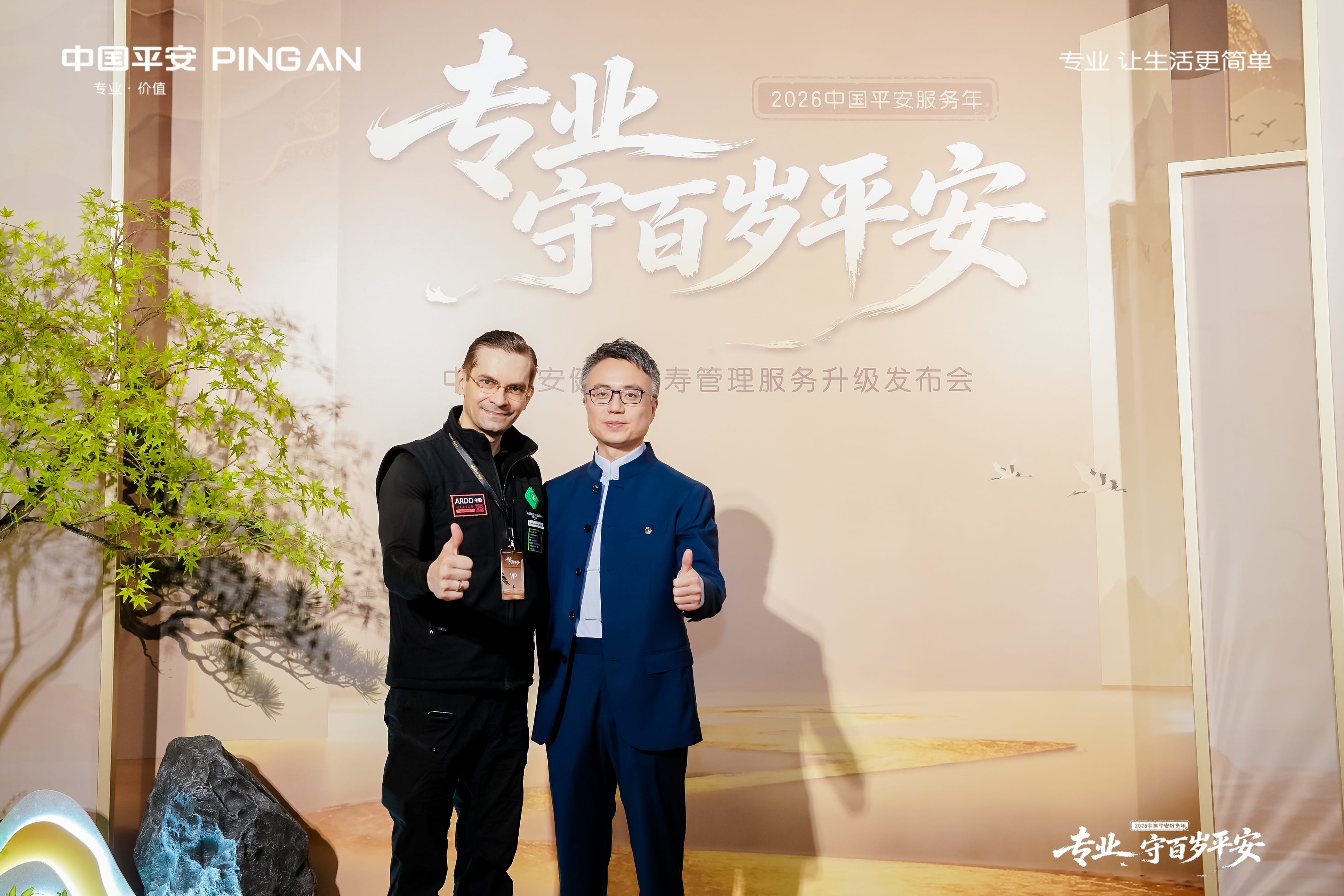
I said the same thing on the life-science panel at the launch that I say everywhere I go right now: diagnostics and early disease detection are the most actionable longevity interventions available today, full stop. No drug has yet been shown in a controlled human trial to add even one year of life to an already healthy, well-optimized, well-diagnosed person, and claims otherwise should be treated as unproven until the clinical evidence exists. What we can responsibly do right now is detect disease earlier, intervene while options remain open, and, critically, measure aging biology rigorously as new therapeutics move through trials for their approved indications, so that when the biotechnology side eventually produces its first real proof point, we’ll have the biomarker infrastructure already in place to recognize it. That’s the bridge between the two halves of longevity I described at the start of this piece: medicine buys you time and data today, biotechnology is what eventually changes the underlying biology, and neither one works at scale without the other.
I was joined at the launch by Dominika Wilczok, a Duke University neuroscience graduate who just joined Qiming Venture Partners as Entrepreneur in Residence, focused on longevity biotechnology and drug discovery. Her presence there wasn’t incidental; it’s the same thesis running through this whole piece: the next phase of longevity science depends as much on capital, company-building, and go-to-market infrastructure as it does on the underlying biology. You can read the full launch report, with the leadership quotes, the white paper details, and the photos from the unveiling ceremony, at my conference report page.
Where this leaves us
Longevity biotechnology and longevity medicine will keep moving at different speeds, and I think that’s fine; it’s exactly how a maturing field is supposed to look. The slow half is where the real breakthroughs eventually come from, and it should stay slow, because biology and regulators both punish people who rush it. The fast half is where hundreds of millions of people will get real, if incremental, benefit long before any single drug clears a phase III trial for aging itself. Watching both halves accelerate in the same year, big pharma converging on Boston for ARDD, and a trillion-dollar Chinese insurer building the full longevity stack in eleven cities at once, is the strongest signal I’ve seen yet that this field has stopped being a niche interest and started being infrastructure.
This is not investment advice. It’s just what I’m watching, and where I think the next real proof points will come from.
Those of you who managed to read this far, please have a look at the ARDD2026 program we announced just at few hours ago - https://agingpharma.org/program2026 .
Dear Dr. Zhavoronkov,
I read your article, “Longevity Is Being Democratized,” with great interest.
Your distinction between Longevity Biotechnology and Longevity Medicine particularly resonated with me. As you describe it, Longevity Medicine is about what we can do today—using diagnostics, biomarker assessment, behavioral and metabolic interventions, personalized guidance, and prevention to improve peakspan, healthspan, and lifespan.
Your description of the Ping An initiative was especially compelling. I was particularly struck by your emphasis on its architecture—not a single product or intervention, but an integrated system combining preventive defenses, interventions addressing behavior, body, and mind, and multiple channels of healthcare delivery.
This is remarkably close to the philosophy behind a project I have been developing called Plantica—but with one important extension.
What if the principles of Longevity Medicine were incorporated not only into healthcare delivery, but into the design of the community in which people actually live?
Plantica is being conceived as what we believe could become the first purpose-designed Longevity Community: a residential community planned from the ground up around the principles that promote longer, healthier, and more functional lives.
The idea is that longevity should not depend solely on what happens during a medical consultation. The physical environment, nutrition, movement, social connection, psychological well-being, prevention, early detection, access to healthcare, and intelligent use of technology can all be deliberately incorporated into the architecture and daily functioning of a community.
In other words, rather than asking people to periodically enter a longevity clinic, Plantica asks whether we can create a longevity environment in which many of the principles of Longevity Medicine become part of everyday life.
Your broader observation that longevity is evolving from a niche interest into infrastructure struck me as particularly important. I believe that one of the next logical steps may be to translate this thinking into the places where people actually spend most of their lives.
We are now entering the architectural design stage of Plantica, which made the timing of your article particularly meaningful to me.
I would be delighted to share the concept with you and hear your perspective. Given your work at the intersection of longevity science, AI, biotechnology, and Longevity Medicine, I believe your insights could be extremely valuable as we explore what a genuinely purpose-designed longevity community should look like.
If the concept interests you, I would be very happy to arrange a brief conversation at your convenience.
Warm regards,
Dr. Ze'ev Gross
Family Physician
Founder, Plantica
Edmonton, Canada
Scaling access to longevity services is not necessarily the same as democratizing health.